

Breaking Dormancy: Growing a Garden in Uncertain Times


The garden has broken dormancy. A handful of eighty-degree days, a common occurrence for a South Carolina March, have ushered in springtime. We aren’t flirting with it. It’s here. I have the tan lines to prove it.
I’m not sure how many words I wrote this winter about rest and slowness and embracing the season. It was a lot. And for all the slowness of winter, spring came like the gas pedal was being pushed to the floor. I woke up crying Sunday, every muscle in my body burning like wildfire, but still took my coffee to the garden to survey all the progress which planted the pain.
The dahlias are pushing through the soil in the high tunnel. Tenacious little things, the remnants of my short-lived attempt at growing cut flowers. Turns out, I hate cutting flowers daily, which is needed to be a flower farmer. Sure, I keep an old pickle jar filled with blooms on the kitchen counter through the summer, but I like my flowers to stay in the garden, to bring my friends the butterflies and hummingbirds to call. So I dug all the dahlia tubers up and moved them elsewhere. Only a few remnants remained, and I let them stay.
They’ve already been frozen back once this season, but determinedly reared their heads again with that feisty confidence perennials have. I stood over them with my coffee this week and felt what I can only describe as solidarity. We made it. We’re back.
I’m an optimist, you know. I’ve joked before when asked if my glass was half full or half empty that my glass is halfway to overflowing. Rose colored glasses and all that. It has always been my portion. And springtime has been the great gallery of my optimism, here where seed catalogs promise the abundance of July, when I’ve had just enough time to forget how quickly weeds grow and how exhausting the summer heat burns.
I’ve started a lot of gardens now. I’d be lying if I said this one was unique in the urgency I feel. Six years ago this week, my sons’ school shut down just as I began amending the beds. Flatten the curve. Two weeks of disruption, we were promised. I remember the way fear gripped me as I stood in the stripped-bare grocery store.
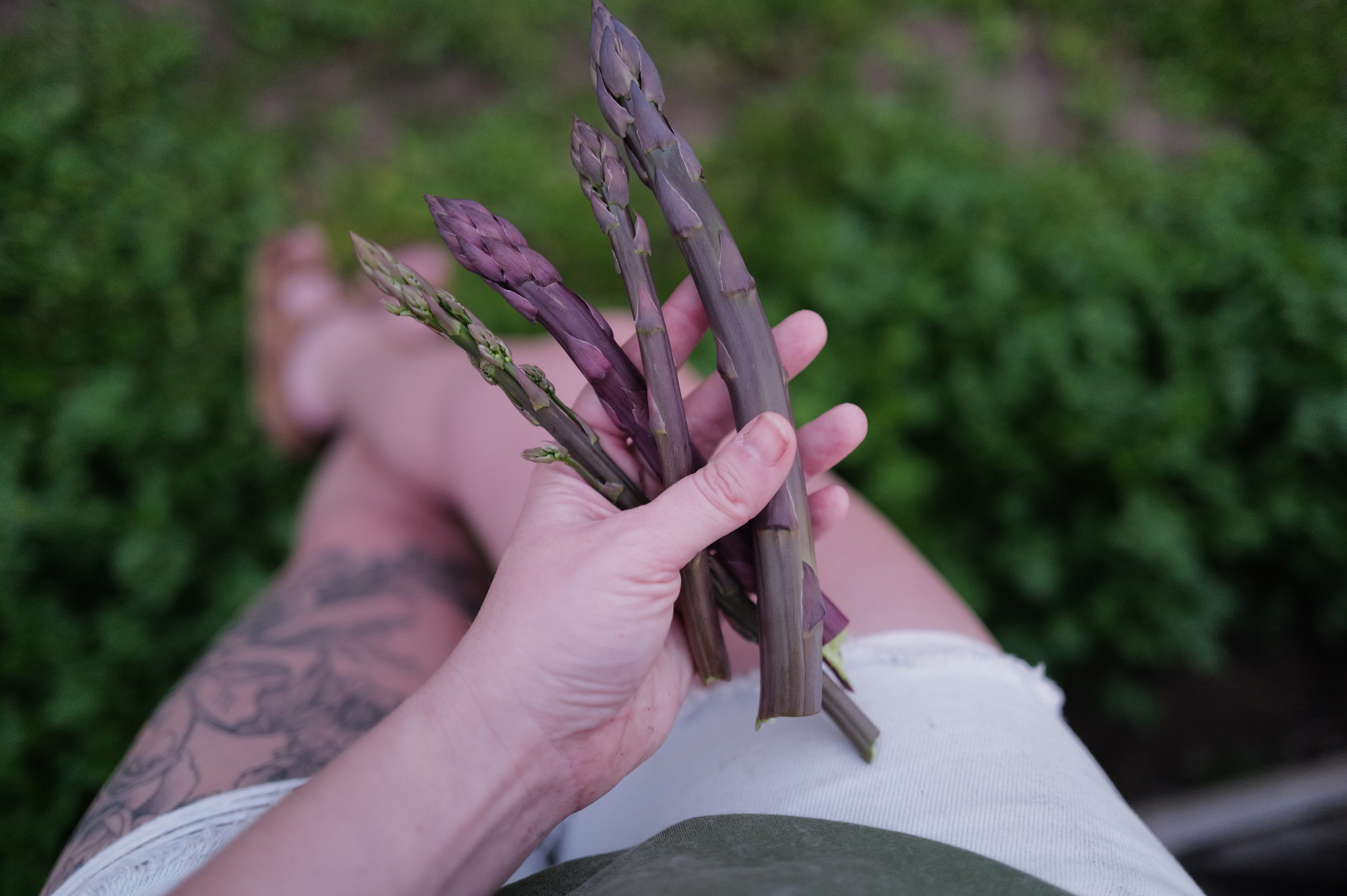
I’ve been sharing my experience of growing food in internet spaces for over a decade. A lot of it has been the view through rose-colored glasses. These warm weeks of fresh spring have found me walking down the driveway in the hazy sunrise, gravel crunching under sandaled feet and coffee steaming in blistered hands, and it has struck me as the most beautiful and worthy way to live. The homestead, the garden, the animals, the earth herself and this opportunity to love her have all made me feel so satisfyingly human. Over a decade in, the value is not lost on me. How many times have I shared that?
Noone could accuse me of shying away from the truth though, the grit and the vomit and the grief. The beautiful, slow mornings, and the meals that were pulled from the soil an hour before, how the bounding new life that comes like a promise all make for a lovely highlight reel. But it’s paid for dearly, in tears and sweat and literal blood. I have told the truth of this, showed it without shying away.
A few weeks ago, I sent Miah a photo of a half-filled cart at Costco with the words “This was $350.” Followed by a wide-eyed emoji. It’s been shocking to me, and the only things I have to buy are the ingredients I can’t grow myself. As an avid people watcher, I stood at the register that day and tried to read the people around me. Resolved, a little stressed, the shake of a head and the occasional wide eyes on their faces that mirrored a bit the tiny yellow face in my text.
Food is about to get more expensive. Potentially a lot more expensive. In the last two weeks, since the dahlias began to rise and the peach trees opened their blooms, crude oil has gone from 64 dollars a barrel to 96. This article took me two days to write and I had to change this number twice in that time, as the price rose 12 dollars between when I wrote the first words and when I was ready to publish.
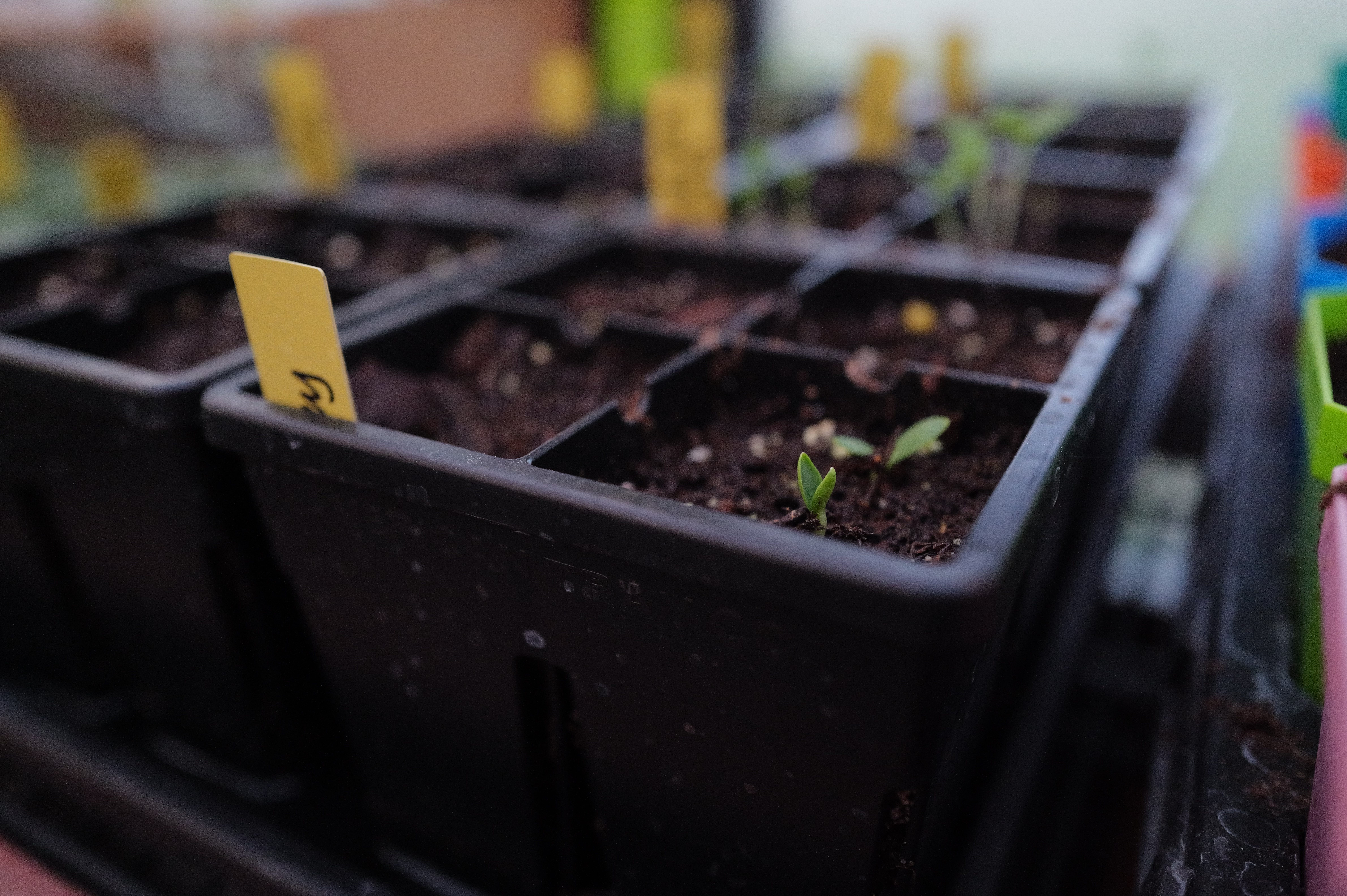
As I’ve planted my seeds and moved compost until my body screamed, I’ve listened to commentary from all sides about the current world events. I’ve noticed patterns and tracked biases. I am slow to draw conclusions, resistant to buy a narrative in an attention-driven media culture. Algorithms reward extremes, and the result I’m afraid is a culture rife with extremists. I don’t want to be one. I take in information like the fast food I know it is, and make sure my next meal is something nourishing and slow and real. I don’t feel comfortable looking away, lest I find myself caught off guard. But I consume it mindfully, in balance, denying myself reaction and opting for response instead.
And I do think this is a season we will have to respond to, to rise to. I can get information from the greater world, from the internet spaces but I rarely find hope there. In the comments sections and the opinion of strangers, I cannot find a fragment of the hope I’ve found from the specific act of tending a garden, from pressing seeds into warm soil while threats loom and prices rise and decisions are made that form the world I live in.
I think about the women that came before me. How many times have I been driven by the idea of a simpler time? But in the context of war and uncertainty, there are no soft-focused, sepia, pioneer women in my mind. There are real women, with callouses and strong backs and laugh lines. They kept their families fed through things that make our current moment feel manageable, because they didn’t have the option of paralysis. The work was too immediate and too necessary, and something in that strikes me as merciful. The work saved them from the luxury of despair.
I’m not saying despair should be dismissed. I have told the truth about grief and pain and the seasons where getting out of bed is a significant accomplishment. I know what dark looks like from the inside. But there is a particular kind of despair that is fed by passivity, that grows in the absence of useful action, that this fear-driven algorithm cultivates deliberately because a frightened and paralyzed audience is a captive one. That despair, I refuse.
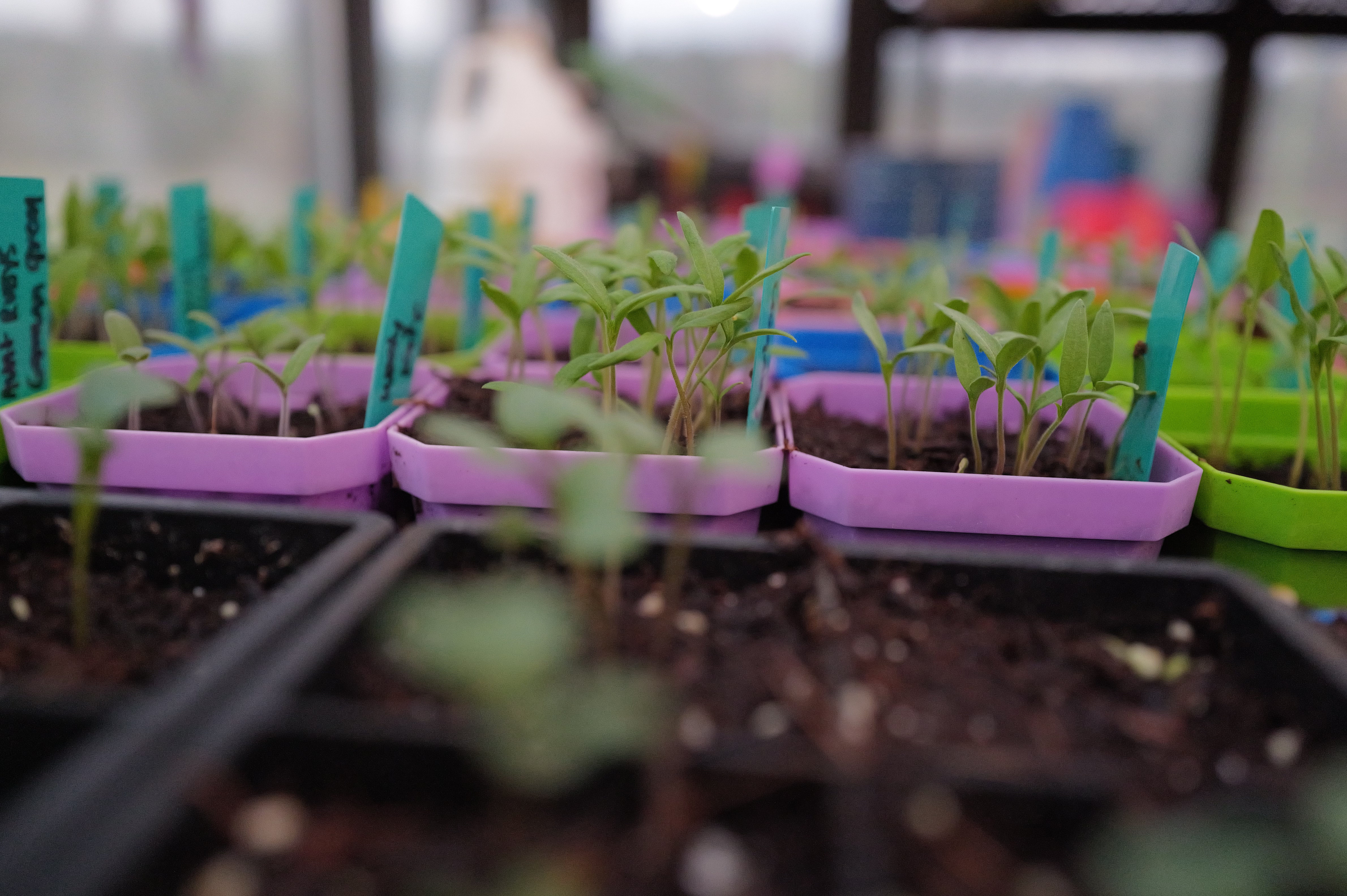
It’s actually laughable to say “I wanted certainty in my life, so I planted a garden.” Could there be a more uncertain hobby? Between pests, and deer, drought and my own forgetfulness, gardening is gambling with very ambiguous odds. One year, I spent two full days amending beds and then transplanting a hundred and fifty tomato plants. They’d been tenderly grown from seeds in the womb of my greenhouse, painstakingly hardened off, and then laboriously planted. Not thirty minutes after patting the soil around the last one, a furious hail storm came and pounded the garden with golf ball sized hail. We had to replace the roof of our house after that storm, and though some plants were killed, most still grew. Uncertain indeed.
But the other side of the truth is, I’ve harvested thousands of pounds of food. Every year, some things fail and others are so abundant they overwhelm me. When the store shelves went empty back in 2020, I went home and planted more. I can’t pretend like this has been the easier way to get my food, because it’s not. It’s costly, labor-intensive, frustrating and disappointing but also exhilarating and pride-inducing and so damn worthy.
I’ve grown for joy, for content, for curiosity, for health, for freedom and when I see the prices of crude-oil soar, and I know what that means downstream, when I hear experts talk about off-ramps of war but harbor no hope that our leaders will take them, I garden for security. For sanity. For peace. I do it because despair is not an option. Reaction is not a route I’m willing to take, and this is the response.
I am not naive about what is coming or what is already here. I am not unaware of the broken state of humanity. The corruption of powerful men is not new, but the power of a mother familiar with seeds and soil is not antiquated.
The garden broke dormancy. The dahlias survived the dark and came back swinging.
I intend to do the same.
I have never in my 64 years on this earth quoted another aside from Scripture more than your wise words, Jessica that "We weren't made for a battlefield but for a Garden." This essay is yet another reaffirmation of that Truth.
Goodness, it’s like you’ve been in my head. I’m sure so many of us are feeling these feelings and thinking these thoughts. Sometimes I feel so alone but then I read articles like this. We’re all here, scattered about like seeds ready for those first sunshine days! Sowing seeds in our families and in those who are in our orbits. Thank you for sharing your beautiful words. 🌱